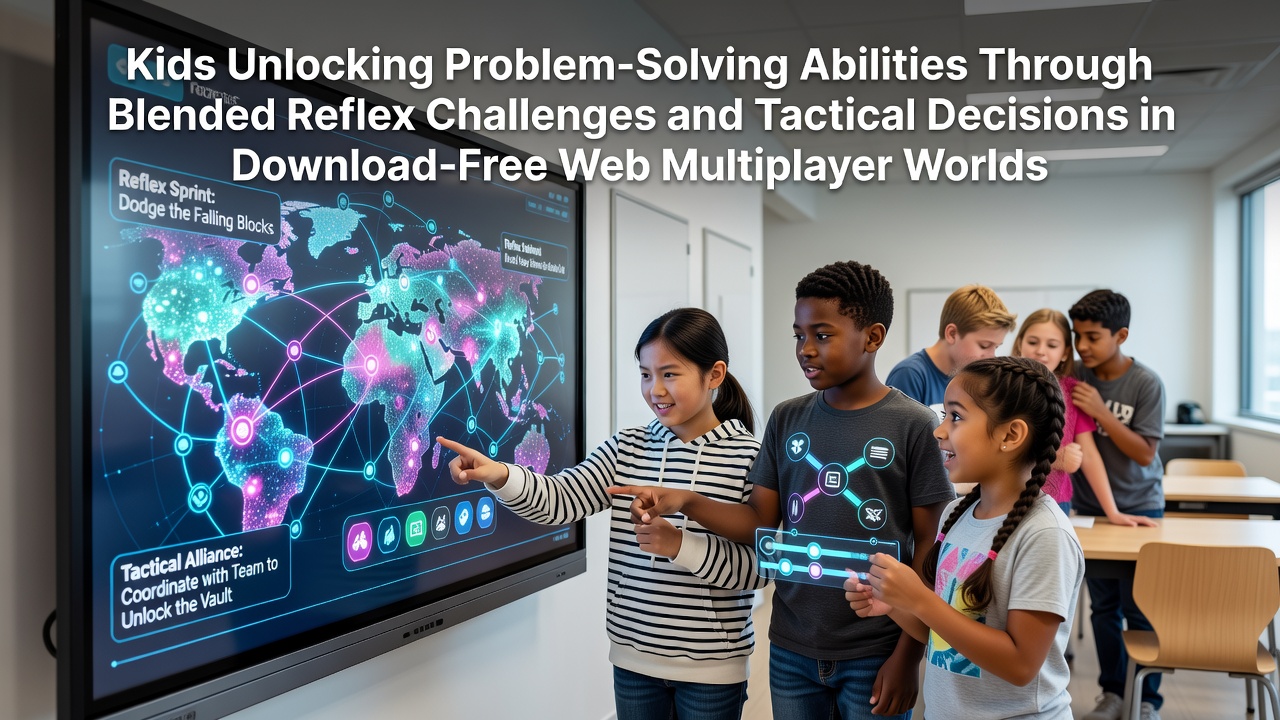
Kids Unlocking Problem-Solving Abilities Through Blended Reflex Challenges and Tactical Decisions in Download-Free Web Multiplayer Worlds
Browser-based multiplayer platforms continue to evolve as spaces where children combine rapid reflexes with deliberate tactical choices, and these environments operate without any downloads or installations required. Players access sessions directly through standard web browsers, which allows immediate entry into shared worlds that mix action sequences with strategic layers, and this setup supports repeated practice sessions that researchers link to measurable gains in problem-solving speed.
Reflex Elements That Shape Initial Responses
Reflex challenges appear in the form of timed navigation tasks, sudden obstacle avoidance, and synchronized group maneuvers that demand split-second adjustments, while these mechanics train children to process visual and auditory cues without hesitation. Data from cognitive development studies indicate that repeated exposure to such patterns strengthens neural pathways associated with attention switching, and children often demonstrate faster reaction times after several weeks of consistent play across different game sessions. Multiplayer dynamics add pressure because teammates depend on each other's quick reactions, which turns individual reflex training into collective performance requirements.
Tactical Layers That Encourage Forward Planning
Alongside reflexes, these same platforms embed resource allocation choices, positioning decisions, and cooperative objective setting that force players to weigh short-term gains against longer-term outcomes. Tactical elements surface during matches when participants must coordinate attacks, defend key areas, or adapt strategies mid-round based on opponents' movements, and observers note that children gradually shift from impulsive actions toward sequenced planning. The absence of downloads keeps these experiences accessible across school computers and home devices alike, which broadens participation and creates larger player pools that increase the variety of tactical situations encountered.
Integration of Reflexes and Tactics in Shared Worlds
Effective problem-solving emerges when reflex actions feed directly into tactical adjustments, for instance when a quick dodge opens an opportunity for a coordinated team push or when split-second resource grabs enable a planned flanking maneuver. Game designers structure sessions so that pure speed rarely secures victory without accompanying strategic awareness, and this balance keeps children cycling between immediate responses and reflective decision points within single matches. In June 2026 several platforms plan seasonal updates that introduce new map variants requiring both faster reflexes and deeper coordination, which will likely extend the range of blended challenges available to young players.
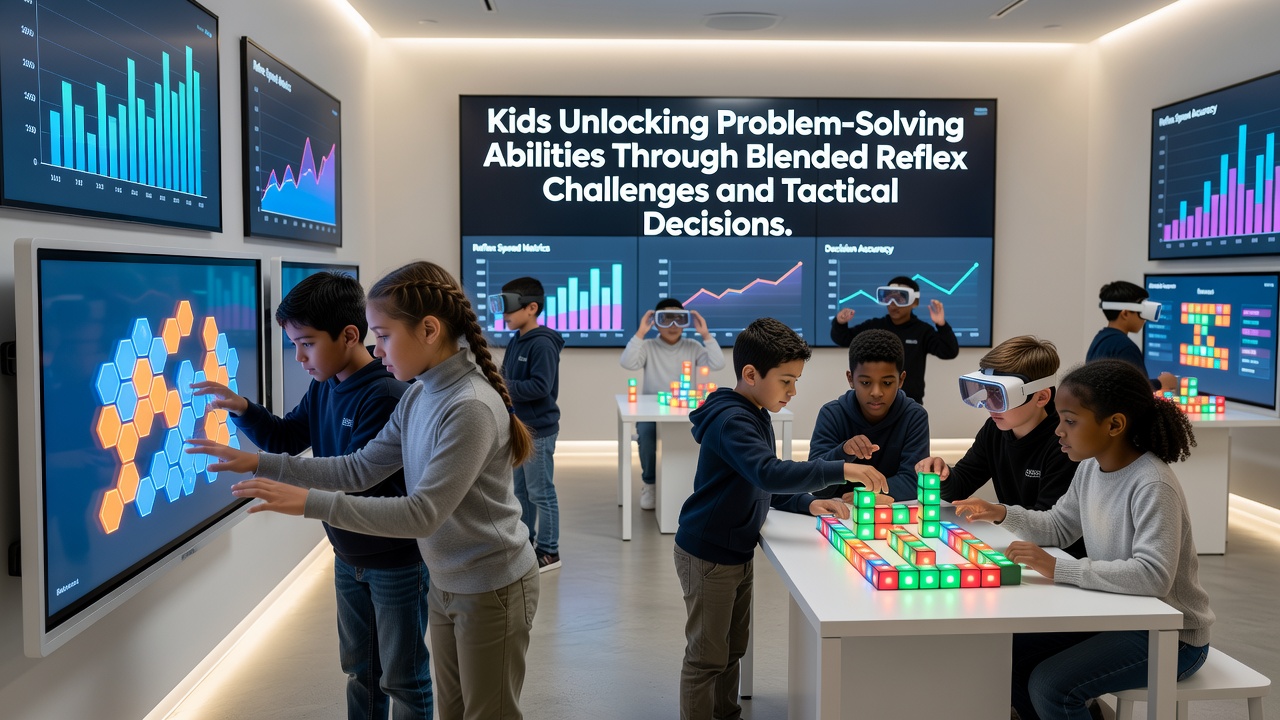
One documented pattern shows children forming ad-hoc groups that assign roles based on observed strengths, such as assigning faster reflex players to scouting duties while others handle resource management, and this role differentiation mirrors real-world collaborative problem-solving structures. Sessions remain short enough to fit within attention spans yet long enough to require adaptation when initial plans encounter resistance, which creates natural repetition of the reflex-to-tactic cycle.
Observable Skill Transfers Beyond Gaming Sessions
Teachers and parents report that children apply similar sequencing skills when approaching homework tasks or group projects, although direct causation remains under study by multiple research groups. Figures from European gaming industry reports reveal steady growth in browser multiplayer usage among ages eight to twelve, with session logs indicating higher completion rates for objectives that combine timed elements and planning stages. The web format also permits easy monitoring by adults since no separate software resides on devices, which supports safer exploration of these blended mechanics.
Researchers at institutions across North America and Australia continue to track how variable difficulty scaling within these games maintains engagement while gradually increasing cognitive load, and results suggest that adaptive pacing helps sustain motivation without overwhelming younger participants. Multiplayer chat functions, when moderated, further encourage verbal articulation of tactics, which reinforces the translation of in-game decisions into explicit reasoning steps.
Conclusion
Download-free web multiplayer environments therefore function as accessible arenas where reflex training and tactical reasoning intersect repeatedly, and the resulting practice appears to support broader problem-solving development in children. Continued platform updates scheduled through 2026 will likely introduce additional layers of complexity while preserving the core browser accessibility that keeps participation wide. Those who track usage patterns across regions observe consistent engagement metrics that align with cognitive skill reinforcement, which points to ongoing relevance of these blended experiences for young players seeking both entertainment and mental exercise.